Norwegian Petroleum Museum
From fishing nation to oil power in a single generation
Overview
In 1959, a Dutch gas discovery at Groningen triggered a search for hydrocarbons under the North Sea. Norway divided the continental shelf into blocks and offered them to international oil companies. On Christmas Eve 1969, Phillips Petroleum struck oil at Ekofisk. Norway changed overnight.
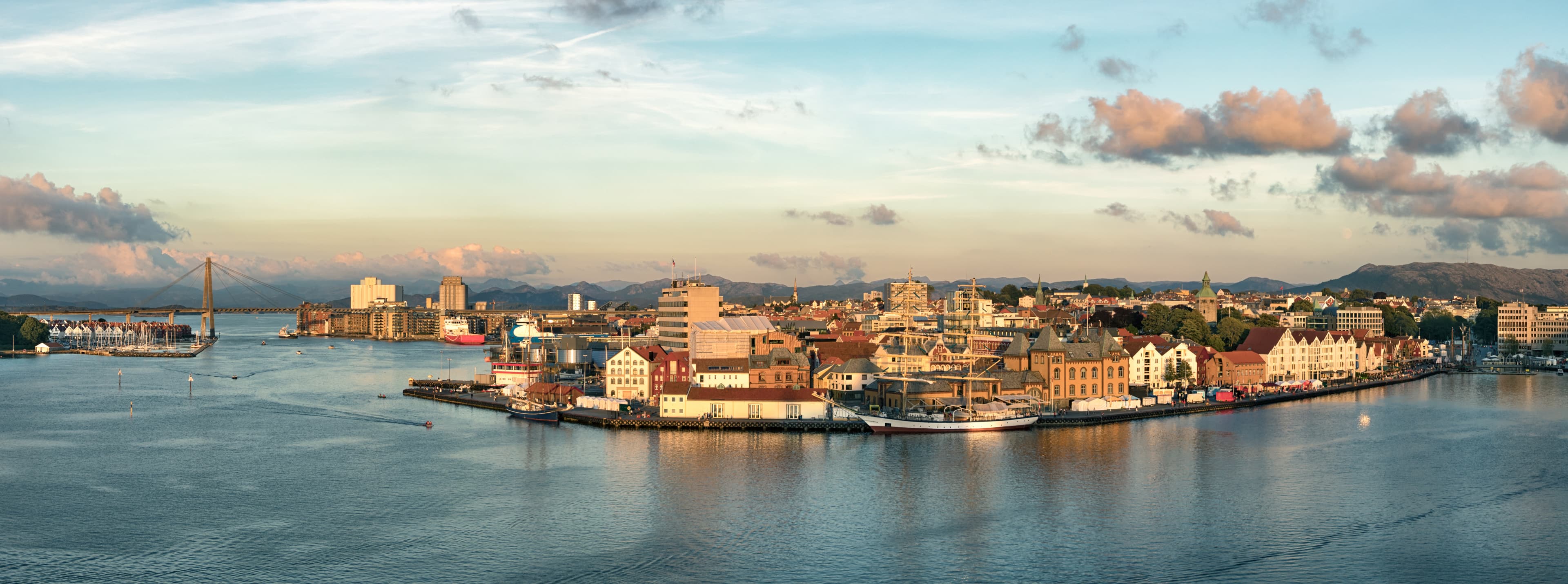
The Petroleum Museum, opened in 1999, sits on Kjeringholmen at the edge of Stavanger harbour. The building is designed to resemble an offshore platform — angular concrete and steel jutting into the water. Inside, the museum walks visitors through the full story: geology, exploration, drilling, production, safety, and the economic transformation.
The centrepiece is a full-scale section of a drilling floor. Visitors can operate a simulated drill string and understand the forces involved in boring 5,000 meters below the seabed. The subsea technology exhibition shows the remotely operated vehicles (ROVs) and pipeline systems that work at 300 meters depth.
The museum does not avoid the difficult questions. The environmental cost of oil extraction, the Bravo blowout of 1977, the Alexander Kielland disaster of 1980 (123 workers killed), and Norway’s complicated position as a climate-conscious nation that funds its welfare state with petroleum revenue — all are presented.
Highlights
Ekofisk Discovery
December 23, 1969. Phillips Petroleum hit oil at Ekofisk in the Norwegian North Sea. The field produced for over 50 years. The discovery exhibit recreates the moment with original equipment and communications.
Drilling Floor
Full-scale section of an offshore drilling floor. Operate a simulated drill string. Understand the engineering of boring 5,000 meters below the seabed. The noise and scale are designed to be felt, not just observed.
Subsea Technology
ROVs, pipeline systems, and subsea Christmas trees (wellhead control systems). The technology that allows production at 300 meters depth. Interactive displays explain how each component functions.
The Oil Fund
Norway’s Government Pension Fund Global — worth over 17 trillion NOK — was built from oil revenue. The museum explains how petroleum wealth was converted into a sovereign wealth fund and what that means for Norway’s economy.
Practical information
Getting there
Kjeringholmen, on the harbour in central Stavanger. 5-minute walk from the city centre. 10-minute walk from the train/bus station.
Tickets
Adults: 180 NOK. Children (3–15): 80 NOK. Family ticket available. Free with Stavanger museum card.
Time needed
1.5–2 hours. The drilling floor and subsea exhibits need at least 30 minutes each. The historical and economic sections add another 30–45 minutes.
Tips
The rooftop terrace has harbour views. The museum shop sells oil industry books and models. Combine with Gamle Stavanger (10-minute walk west) for a half-day programme: oil future and pre-oil past side by side.
More in Stavanger
Plan your Stavanger trip
Stavanger has more to offer. Explore the full city guide or browse other Norwegian cities.