The Mountain Code: 9 rules every hiker in Norway must follow
Fjellvettreglene is not a suggestion. It is the framework that brings you home.
Every year, Norwegian rescue teams retrieve hikers who treated the Fjellvettreglene as optional. The Mountain Code is nine rules built from decades of mountain rescue operations. Learn each one before you lace up your boots.
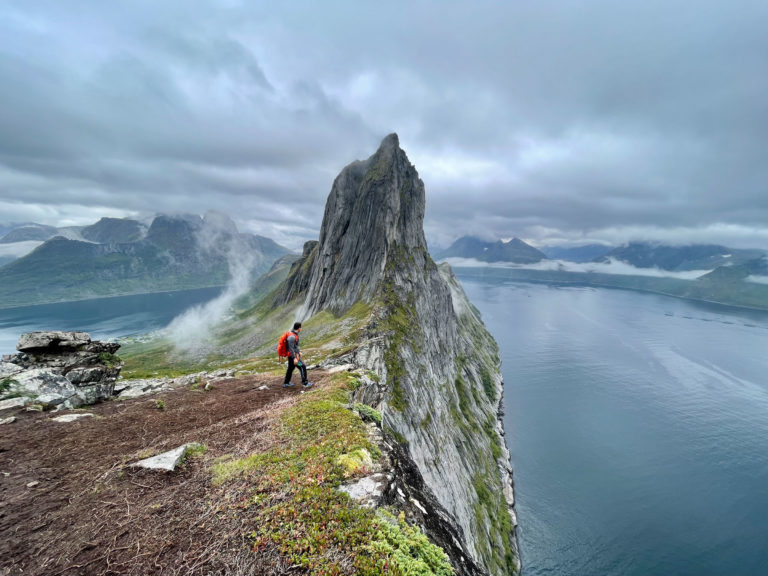
I have spent 18 years guiding in Jotunheimen. In that time I have watched the mountain rescue helicopter land on Besseggen four times in a single August weekend. Every one of those calls involved a hiker who knew the trail was 14 km but did not know what a DNT Red grade means in practice.
The Fjellvettreglene (The Mountain Code) is not a list of tips. It is the distilled knowledge of the Norwegian Trekking Association (DNT) and the Norwegian Red Cross mountain rescue teams. These nine rules exist because people died when they did not follow them.
Here is each rule, what it means in practice, and the specific situations where I have seen hikers ignore it.
Rule 1: Plan your trip and inform others of the route you have selected
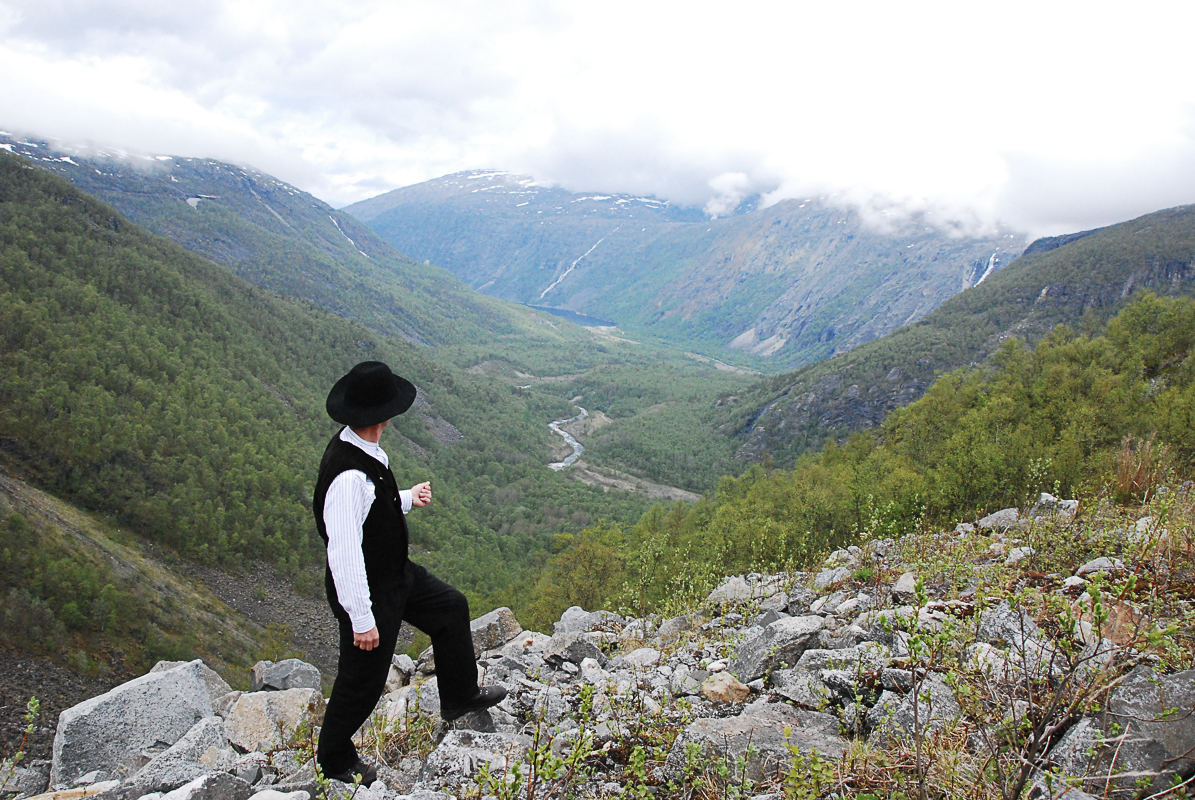
Planning is not opening Google Maps. Planning is checking the specific route on ut.no (the DNT trail database), reading the current condition reports, and telling someone where you are going and when you expect to return.
In practice: Before Besseggen, you need to know that the morning ferry from Gjendesheim departs at 08:00, that the trail is 14 km with 1,100 meters of elevation gain, and that it takes 6 to 8 hours depending on fitness. You need to tell someone at the cabin where you are headed and when you plan to arrive at Memurubu.
If you are hiking alone, leave a written note with the cabin staff at your departure point. Phone signal disappears above 1,200 meters on most Jotunheimen routes.
Rule 2: Adapt the planned trip to ability and conditions
A DNT Green trail is suitable for all fitness levels. A DNT Blue trail requires proper footwear and basic mountain fitness. A DNT Red trail involves scrambling, exposure, and route-finding. A DNT Black trail is for experienced alpine hikers with technical equipment.
In practice: I have turned people back at the Juvasshytta trailhead for Galdhøpiggen because they arrived in trainers and a cotton hoodie. Galdhøpiggen via the glacier route is 2,469 meters. The glacier crossing requires crampons and a certified guide. There is no negotiation on this point.
If you have never hiked above the treeline in Norway, start with a Green or Blue trail. Rondane has excellent Blue-grade routes that will teach you what Norwegian mountain weather does in three hours.
Rule 3: Pay attention to the weather and avalanche warnings
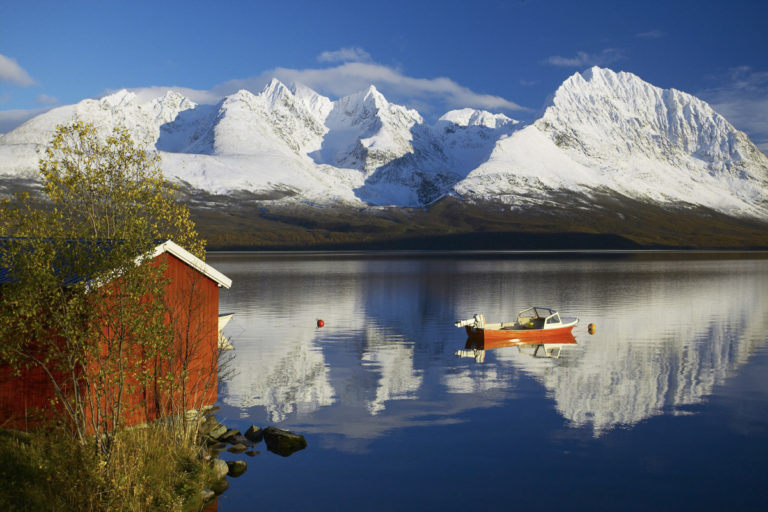
Check yr.no (Norwegian Meteorological Institute) the morning of your hike. Check varsom.no for avalanche danger levels if you are above the treeline between November and June.
In practice: Jotunheimen generates its own microclimate. A clear morning in Lom (400 meters) means nothing for conditions at Galdhøpiggen (2,469 meters). Wind speed doubles for every 1,000 meters of elevation gain. A summit temperature of -8°C with 40 km/h wind produces a wind chill equivalent of -22°C.
If the forecast shows wind above 15 m/s at summit level, do not go. This is not caution. This is the mathematics of hypothermia.
Rule 4: Be prepared for bad weather and frost, even on short trips
The weather in Norwegian mountains can shift from sunshine to horizontal sleet in 20 minutes. This is not an exaggeration. I have timed it.
Non-negotiable packing list for any route above the treeline:
- Windproof and waterproof shell jacket and trousers (not a rain poncho)
- Wool or synthetic base layer (never cotton. Cotton retains moisture and accelerates heat loss)
- Warm mid-layer (fleece or down jacket in a dry bag)
- Hat, gloves, and a buff or balaclava
- Map and compass (phone batteries fail in cold. GPS apps need signal)
- Headlamp with spare batteries
- First aid kit including emergency bivvy bag
- Food and hot drink in a thermos
- Boots with ankle support and adequate grip (not trail runners for Red or Black routes)
I carry this list on Green trails in July. The mountain does not adjust its weather to your itinerary.
Rule 5: Use a map and compass. Always know where you are and where you are going
Your phone is not a navigation tool above the treeline. Battery life drops 40% in temperatures below 0°C. Signal coverage above 1,200 meters is unreliable across Jotunheimen, Rondane, and the Hardangervidda plateau.
In practice: Buy the DNT 1:50,000 topographic map for your route area. Learn to take a compass bearing before you need to take a compass bearing. In whiteout conditions on the Hardangervidda, the terrain looks identical in every direction. A compass bearing is the difference between walking to the DNT cabin at Finse and walking into open plateau.
Rule 6: Never go alone. Use established routes when possible
Solo hiking in Norway is legal and common among experienced locals. But for visitors on unfamiliar terrain, the risks multiply. A twisted ankle on Besseggen in rain, with no phone signal and no one expecting you, is a genuine survival situation.
In practice: If you hike alone, inform the cabin staff of your route and expected arrival time. Stick to cairned (marked with stone piles) routes. In Jotunheimen, the T-marked trails are maintained by DNT. Off-trail travel requires experience with Norwegian mountain terrain, which is loose rock, boggy plateaus, and steep scree fields with no switchbacks.
Rule 7: Turn back in time. There is no shame in retreat
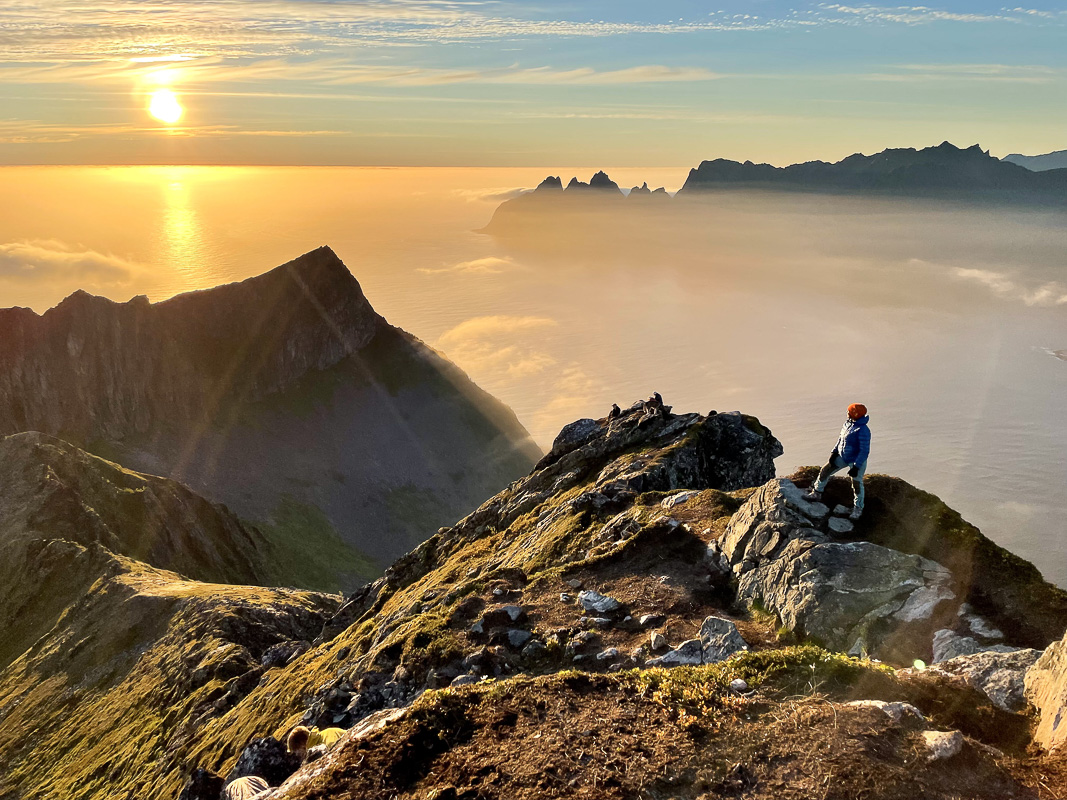
This is the rule that saves the most lives and is broken the most often.
Hikers who have driven four hours, paid for accommodation, and committed to a summit do not want to hear that the weather has turned. But the mountain does not care about your hotel booking.
Turn-back triggers on any Norwegian mountain route:
- Visibility drops below 50 meters
- Wind speed makes it difficult to stand upright on exposed ridge sections
- Rain intensifies to the point where the trail surface becomes a running stream
- You reach the halfway point and have taken longer than your planned time
- Any member of the group shows signs of fatigue, hypothermia, or distress
I have summited Galdhøpiggen over 200 times. I have also turned back over 60 times. Those 60 decisions are the ones I am most confident about.
Rule 8: Dig in and wait if conditions become too severe
If you cannot continue forward and cannot safely retreat, stop. Find shelter from the wind. Put on every layer you have. Eat your food. Drink your hot drink. Use your emergency bivvy bag. Wait.
In practice: On the Hardangervidda, the unstaffed DNT cabins (selvbetjent) are unlocked. If you are caught in a storm, reach the nearest cabin. The emergency provisions inside are for exactly this situation. You pay for what you use by leaving money or settling with DNT afterward.
On exposed ridges without shelter, get below the ridgeline on the lee side of the wind. A 30-centimeter rock wall provides meaningful wind protection when you are lying behind it in a bivvy bag.
Rule 9: Save your energy and seek shelter when necessary
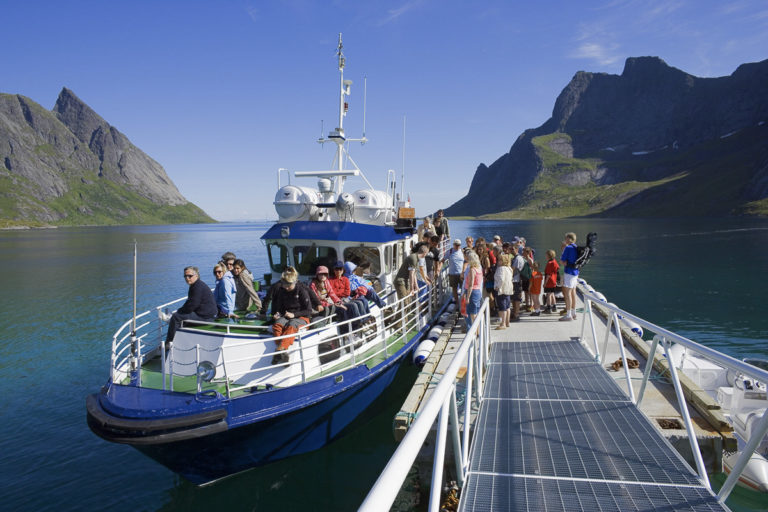
Exhaustion kills in the mountains. It kills slowly and quietly. A fatigued hiker makes worse decisions, moves more slowly, generates less body heat, and is more likely to fall.
In practice: Eat before you are hungry. Drink before you are thirsty. Rest before you are exhausted. If you are shivering and cannot stop, you are already hypothermic. Stop moving, insulate yourself, and call for help: 112.
The DNT cabin network exists for this reason. Jotunheimen alone has 50 staffed and unstaffed cabins. The self-service cabins are accessible with a DNT key (order at dnt.no, 350 NOK deposit). No one should be more than a half-day walk from shelter in the Norwegian mountains.
The emergency number is 112
Emergency: 112
Norwegian emergency services. Works from any phone. If you have no signal, try 112 anyway. Emergency calls route through any available network, not just your provider. If you are in the mountains and in trouble, do not wait. Call early. Rescue in deteriorating conditions is harder and more dangerous for everyone involved.
Fjellvettreglene is the framework
These nine rules are not restrictions. They are the accumulated knowledge of people who have lived, worked, and died in Norwegian mountains for generations. The DNT maintains them. The Norwegian Red Cross mountain rescue teams enforce the consequences when they are ignored.
Learn them. Follow them. Come home.
Marte Asheim is the Mountain Safety Editor at NorgeTravel. She is a DNT-certified guide with 18 years of experience in Jotunheimen and Rondane, based in Lom, Innlandet. She can be reached at hei@norgetravel.com.